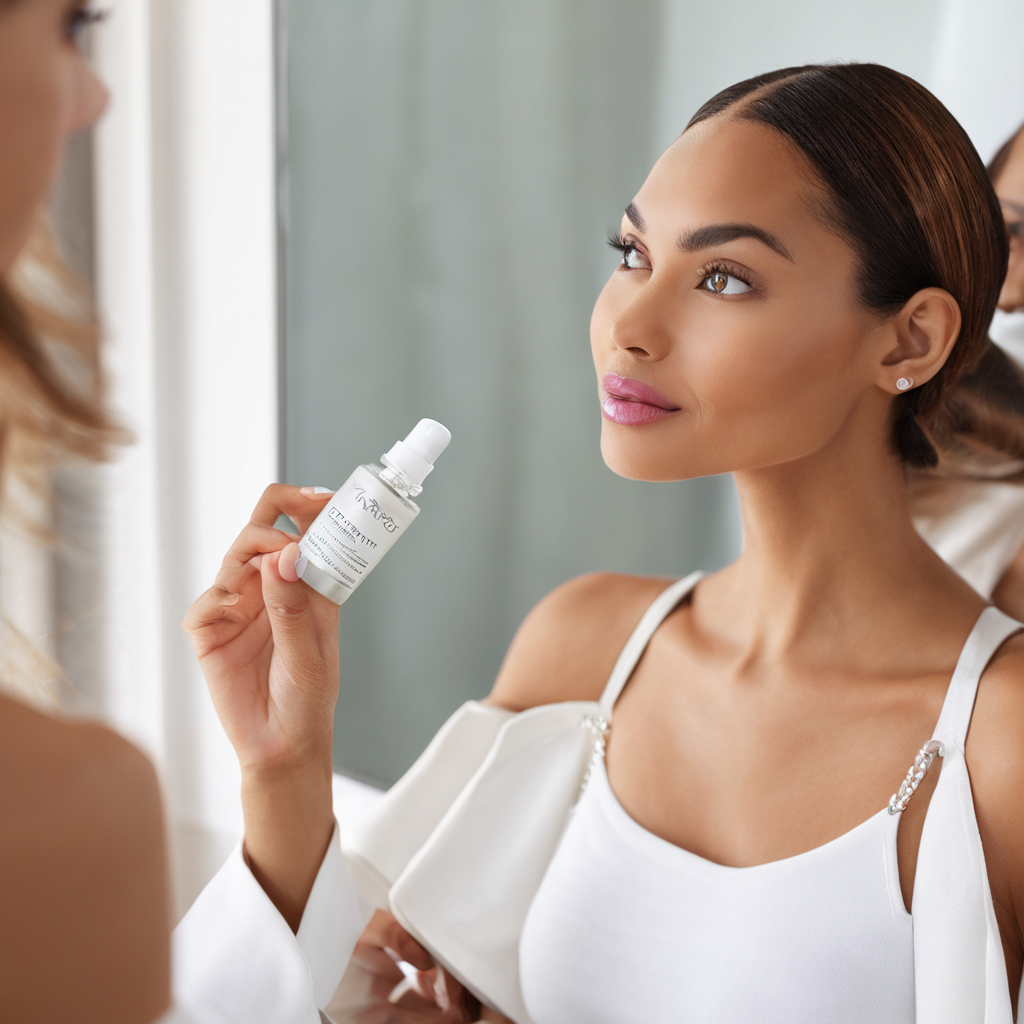
**Retinol, a powerhouse ingredient in skincare, has been both celebrated and misunderstood for decades. While it’s renowned for its ability to combat aging, acne, and uneven skin tone, countless myths surround its use. These misconceptions often deter people from incorporating retinol into their routines or lead to misuse. Let’s debunk seven common retinol myths and set the record straight.**
**Myth 1: Retinol is Only for Aging Skin**
One of the most persistent myths is that retinol is exclusively for mature skin. In reality, retinol benefits all skin types and ages. It boosts collagen production, speeds up cell turnover, and prevents acne, making it a versatile ingredient. Dermatologists often recommend starting retinol in your 20s as a preventive measure against fine lines and sun damage. Early use can maintain skin health and delay signs of aging, proving it’s not just for those already seeing wrinkles.
**Myth 2: Retinol Will Make Your Skin Worse Before It Gets Better**
The infamous “retinol purge” is often misunderstood. While some people experience increased breakouts or irritation when starting retinol, this isn’t universal. The purge occurs because retinol accelerates cell turnover, bringing underlying issues to the surface. However, not everyone will go through this phase. To minimize irritation, start with a lower concentration and apply it sparingly. Gradual introduction allows your skin to adjust without worsening its condition.
**Myth 3: Retinol is Unsafe for Sensitive Skin**
Sensitive skin types often avoid retinol due to fears of redness or peeling. While retinol can be potent, it doesn’t have to be harsh. Modern formulations include gentle derivatives like retinyl palmitate or encapsulated retinol, which deliver results with less irritation. Additionally, pairing retinol with soothing ingredients like niacinamide or hyaluronic acid can mitigate sensitivity. Always patch-test and consult a dermatologist if you’re unsure.
**Myth 4: You Can’t Use Retinol During the Day**
Many believe retinol must only be used at night due to its sun sensitivity. While it’s true that retinol breaks down in sunlight, newer formulations are stabilized to withstand daylight. Moreover, daily sunscreen use is non-negotiable when using retinol, regardless of the time of day. If you prefer nighttime application, that’s fine, but don’t let this myth stop you from using it in the morning if your routine allows.
**Myth 5: More Retinol Means Faster Results**
The idea that higher concentrations yield quicker results is a dangerous misconception. Using too much retinol too soon can lead to severe irritation, peeling, and damage to the skin barrier. Start with a low concentration (0.1% to 0.3%) and gradually increase as your skin builds tolerance. Patience is key—retinol takes time to show results, typically 8 to 12 weeks of consistent use.
**Myth 6: Retinol and Vitamin C Don’t Mix**
There’s a long-standing belief that retinol and vitamin C shouldn’t be used together due to conflicting pH levels. While it’s true that both ingredients are potent, they can complement each other when used correctly. Vitamin C boosts retinol’s collagen-producing effects and provides antioxidant protection. To avoid irritation, apply them at different times of the day or use products with stabilized formulas designed to work together.
**Myth 7: Retinol is a Quick Fix for All Skin Issues**
Retinol is a powerhouse, but it’s not a miracle cure. It takes time to address concerns like acne, hyperpigmentation, or wrinkles. Consistency is crucial, and results vary depending on individual skin types and conditions. Pairing retinol with a holistic skincare routine—including hydration, sun protection, and other active ingredients—maximizes its benefits. Expect gradual improvements, not overnight transformations.
**In conclusion, retinol is a game-changing ingredient when used correctly. By dispelling these myths, you can approach retinol with confidence and make informed decisions about your skincare routine. Remember, always listen to your skin, start slow, and consult a professional if in doubt. With the right approach, retinol can unlock your skin’s full potential.**