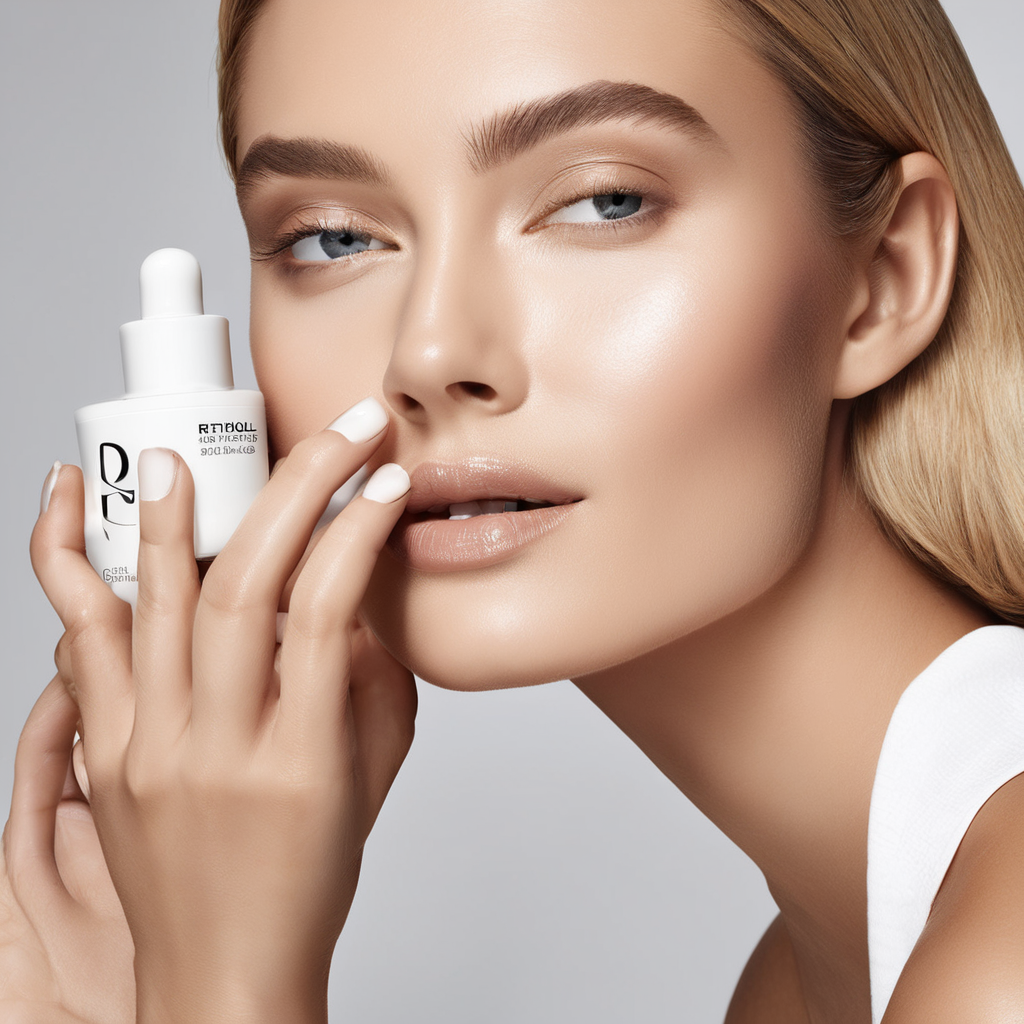
Retinol, a derivative of vitamin A, has become a staple in skincare routines for its ability to combat aging, acne, and uneven skin tone. However, choosing the right strength can be daunting, especially for beginners. The key is to understand your skin type, concerns, and tolerance level. Retinol works by increasing cell turnover, which can initially cause irritation, redness, or peeling. Starting with a lower concentration allows your skin to adjust gradually, minimizing discomfort. Most over-the-counter retinol products range from 0.01% to 1%, with higher strengths available by prescription. If you’re new to retinol, opt for a product with 0.01% to 0.03% to test your skin’s reaction. Patches of sensitive skin or conditions like eczema may require even gentler formulations. Always consult a dermatologist if you’re unsure about where to begin.
Understanding your skin type is crucial when selecting retinol strength. Oily or acne-prone skin typically tolerates higher concentrations better than dry or sensitive skin. For oily skin, a retinol with 0.3% to 0.5% can help regulate sebum production and unclog pores. Dry or sensitive skin, however, should stick to lower strengths like 0.01% to 0.03% to avoid excessive irritation. Combination skin may benefit from a mid-range product, around 0.1% to 0.25%. It’s also important to consider your skincare goals. If you’re targeting fine lines or wrinkles, a moderate strength retinol may yield faster results, but patience is key. For hyperpigmentation or acne, consistency with a lower strength can still deliver significant improvements over time.
The frequency of retinol application plays a vital role in its effectiveness and your skin’s response. Beginners should start by applying retinol once or twice a week, gradually increasing to every other night as their skin builds tolerance. Even experienced users should avoid daily application of high-strength retinol, as overuse can lead to irritation. Pairing retinol with a moisturizer can help reduce dryness and peeling, especially during the initial adjustment period. Additionally, always apply retinol at night, as it makes your skin more sensitive to sunlight. Follow up with sunscreen the next morning to protect your skin from UV damage. Building a consistent routine is essential for seeing long-term benefits without compromising skin health.
While retinol is highly effective, it’s not the only ingredient to consider in your skincare routine. Combining retinol with other actives requires careful planning to avoid over-exfoliation or irritation. For instance, using retinol alongside alpha hydroxy acids (AHAs) or beta hydroxy acids (BHAs) can enhance results but also increases the risk of sensitivity. If you want to incorporate multiple actives, introduce them one at a time and monitor your skin’s reaction. Hyaluronic acid or niacinamide are great complementary ingredients, as they hydrate and soothe the skin without causing conflict. Always patch test new products and give your skin time to adapt before adding more steps to your routine.
The skincare market is flooded with retinol products, making it challenging to choose the right one. Look for brands with transparent labeling that clearly states the retinol concentration. Serums and creams are the most common formulations, with serums being lighter and more suitable for oily skin, while creams offer added hydration for dry skin. Some products also contain encapsulated retinol, which releases the ingredient slowly, reducing irritation. Reading reviews and checking for clinical studies can provide insight into a product’s effectiveness and suitability for your skin type. Don’t be swayed by marketing hype—focus on ingredients and concentration to make an informed decision.
If over-the-counter retinol isn’t delivering the results you’re looking for, prescription-strength options like tretinoin might be worth considering. Tretinoin is a more potent form of retinol, often prescribed for severe acne or advanced signs of aging. However, it comes with a higher risk of irritation and requires careful use. Dermatologists typically recommend starting with a pea-sized amount applied sparingly to build tolerance. Prescription retinoids are not suitable for everyone, particularly those with very sensitive skin or certain medical conditions. Always follow your dermatologist’s guidance and report any severe reactions immediately.
Even with the right retinol strength, maximizing its benefits requires a holistic skincare approach. Hydration is key, as retinol can be drying. Incorporate a rich moisturizer and consider using a humidifier during dry seasons. Exfoliation should be minimized while using retinol, as it already increases cell turnover. Instead, focus on gentle cleansing and soothing ingredients like aloe vera or chamomile. A balanced diet rich in antioxidants and vitamins can also support skin health from within. Lastly, be patient—retinol takes time to show results, often requiring several weeks to months of consistent use.
While retinol is generally safe, some side effects are common, especially during the initial stages. Mild redness, peeling, or dryness are normal as your skin adjusts. However, if you experience severe burning, itching, or persistent irritation, discontinue use and consult a dermatologist. People with certain skin conditions, such as rosacea, may need to avoid retinol altogether or use it under strict medical supervision. Pregnant or breastfeeding individuals should also consult their healthcare provider before incorporating retinol into their routine. Being aware of potential risks and knowing when to seek professional advice ensures a safe and effective skincare journey.
Choosing the right retinol strength is a personalized process that depends on your skin type, concerns, and tolerance. Start with a lower concentration and gradually increase as your skin adapts. Pair retinol with hydrating products, use it consistently, and protect your skin from the sun. If over-the-counter options aren’t enough, consult a dermatologist for stronger alternatives. Remember, skincare is a marathon, not a sprint—patience and consistency are key to achieving glowing, healthy skin. With the right approach, retinol can be a game-changer for your complexion.