How Retinol Helps Fade Dark Spots and Hyperpigmentation

Retinol, a derivative of vitamin A, has long been celebrated for its transformative effects on the skin. Among its many benefits, one of the most sought-after is its ability to fade dark spots and hyperpigmentation. These skin concerns, often caused by sun exposure, hormonal changes, or inflammation, can be stubborn and difficult to treat. However, retinol has emerged as a powerful solution, backed by science and loved by dermatologists. Its mechanism involves speeding up cell turnover, which helps shed pigmented cells and reveal brighter, more even skin beneath. For those struggling with uneven skin tone, retinol offers a beacon of hope, promising visible results with consistent use.

To understand how retinol works, it’s essential to delve into its interaction with the skin. When applied topically, retinol binds to retinoic acid receptors in the skin cells, stimulating collagen production and accelerating the renewal process. This increased cell turnover means that darker, discolored cells are replaced more quickly, reducing the appearance of dark spots and hyperpigmentation. Additionally, retinol inhibits the production of melanin, the pigment responsible for skin color, preventing new dark spots from forming. This dual action makes it a comprehensive treatment for achieving a more uniform complexion.

One of the reasons retinol is so effective is its ability to penetrate deep into the skin. Unlike some surface-level treatments, retinol works at the cellular level, addressing the root causes of hyperpigmentation rather than just masking the symptoms. This makes it a long-term solution for those looking to improve their skin’s texture and tone. However, it’s important to start slowly when incorporating retinol into your routine, as its potency can cause irritation if overused. Dermatologists often recommend beginning with a lower concentration and gradually increasing frequency as your skin adjusts.

While retinol is a powerhouse ingredient, it’s not without its potential side effects. Initial use may lead to redness, peeling, or dryness, a phenomenon commonly referred to as “retinization.” These symptoms are usually temporary and can be minimized by using a moisturizer and sunscreen alongside retinol. Sun protection is especially crucial, as retinol can make the skin more sensitive to UV rays. Despite these considerations, the benefits of retinol for fading dark spots far outweigh the drawbacks for many users, making it a staple in skincare routines worldwide.

For optimal results, retinol should be paired with other ingredients that complement its effects. Vitamin C, for example, is a natural brightening agent that can enhance retinol’s ability to fade hyperpigmentation. Niacinamide, another popular skincare ingredient, helps reduce inflammation and strengthens the skin barrier, making it more resilient to retinol’s potential irritation. Hyaluronic acid can also be a valuable addition, as it provides deep hydration and counteracts retinol’s drying effects. Combining these ingredients creates a synergistic effect, maximizing the benefits for your skin.

It’s worth noting that retinol is not an overnight solution. Patience is key when using this ingredient, as it can take several weeks to months to see significant improvements in dark spots and hyperpigmentation. Consistency is equally important, as discontinuing use can halt progress. However, the wait is often rewarded with smoother, more radiant skin that reflects a healthier complexion. For those with persistent pigmentation issues, retinol’s track record of success makes it a worthwhile investment.

Retinol’s popularity has led to a wide range of products on the market, from serums and creams to oils and moisturizers. Choosing the right formulation depends on your skin type and concerns. For oily or acne-prone skin, a lightweight serum might be ideal, while drier skin types may benefit from a richer cream. It’s also important to select a product with a suitable concentration of retinol, typically ranging from 0.01% to 1%. Consulting a dermatologist can help you navigate these options and find the best fit for your needs.

Incorporating retinol into your skincare routine doesn’t have to be complicated. Start by applying it once or twice a week in the evening, allowing your skin to acclimate to its effects. Gradually increase usage to every other night, and eventually, nightly if your skin tolerates it. Always follow with a moisturizer to lock in hydration and protect your skin’s barrier. With time, you’ll notice a reduction in dark spots and a more even skin tone, proving that retinol is indeed a game-changer for hyperpigmentation.

As with any skincare ingredient, individual results with retinol may vary. Factors such as skin type, the severity of hyperpigmentation, and consistency of use all play a role in determining outcomes. However, its proven efficacy and decades of research make it a trusted choice for those seeking to fade dark spots. Whether you’re dealing with sun damage, post-inflammatory marks, or hormonal pigmentation, retinol offers a versatile and effective solution. By understanding how it works and using it correctly, you can unlock its full potential and achieve the glowing, even complexion you desire.

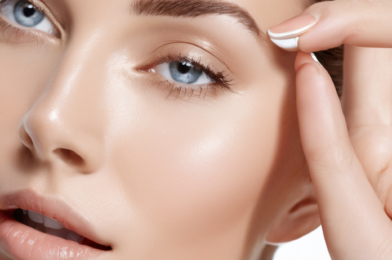
Sun Sensitivity and Retinol: What You Really Need to Know

**Sun Sensitivity and Retinol: What You Really Need to Know**

Retinol, a powerhouse ingredient in skincare, is celebrated for its ability to reduce wrinkles, even out skin tone, and boost collagen production. However, its effectiveness comes with a caveat: increased sun sensitivity. Many users are unaware of the heightened risk of sunburn and long-term skin damage when using retinol without proper protection. This ingredient works by accelerating cell turnover, which can leave the skin more vulnerable to UV rays. Dermatologists emphasize that neglecting sunscreen while using retinol can undermine its benefits and lead to issues like hyperpigmentation or even skin cancer. Understanding this relationship is crucial for anyone incorporating retinol into their routine.

The science behind retinol’s sun sensitivity lies in its mechanism of action. By promoting cell turnover, retinol sheds the outer layer of dead skin cells, revealing fresher but more delicate skin underneath. This new skin is less equipped to defend against the sun’s harmful rays, making it prone to damage. Additionally, retinol can thin the stratum corneum, the skin’s protective barrier, further increasing susceptibility to UV radiation. While these effects are temporary, they highlight the importance of pairing retinol with diligent sun protection.

One common misconception is that retinol must only be used at night to avoid sun sensitivity. While nighttime application is ideal for minimizing risks, it doesn’t eliminate the need for sunscreen during the day. UV rays can penetrate clouds and windows, meaning skin is still at risk even on overcast days or indoors. Dermatologists recommend using a broad-spectrum sunscreen with an SPF of at least 30 every morning, regardless of when you apply retinol. This simple step can significantly reduce the likelihood of sun damage.

Choosing the right sunscreen is equally important. Look for broad-spectrum protection, which guards against both UVA and UVB rays. Physical sunscreens containing zinc oxide or titanium dioxide are often recommended for retinol users, as they sit on top of the skin and provide a protective barrier. Chemical sunscreens, while effective, may irritate sensitive skin exacerbated by retinol. Applying a generous amount and reapplying every two hours ensures continuous protection throughout the day.

For those new to retinol, easing into its use can help minimize sun sensitivity. Start by applying a small amount once or twice a week, gradually increasing frequency as your skin adjusts. This process, known as “retinization,” allows the skin to build tolerance while reducing the risk of irritation. If redness, peeling, or discomfort occurs, scaling back usage and focusing on hydration can help. Moisturizers containing ingredients like hyaluronic acid or ceramides can soothe and strengthen the skin barrier.

It’s also worth noting that not all retinol products are created equal. Over-the-counter options typically contain lower concentrations of retinol, making them a gentler choice for beginners. Prescription-strength retinoids, such as tretinoin, are more potent and may increase sun sensitivity to a greater degree. Consulting a dermatologist can help determine the best product for your skin type and concerns.

While sun sensitivity is a well-known side effect of retinol, it shouldn’t deter users from harnessing its benefits. With proper precautions, it’s possible to enjoy smoother, more radiant skin without compromising its health. Combining retinol with a consistent sunscreen routine, gentle skincare practices, and patience can yield impressive results. Remember, the goal is not just to improve skin’s appearance but to protect it for the long term.

For those concerned about the environmental impact of their skincare routine, there are eco-friendly sunscreen options available. Mineral-based sunscreens are often reef-safe and less likely to harm marine ecosystems. Brands are increasingly offering sustainable packaging and cruelty-free formulas, making it easier to make ethical choices. By prioritizing both skin health and environmental responsibility, users can feel good about their skincare regimen.

In conclusion, retinol’s transformative effects on the skin come with a responsibility to protect it from the sun. Understanding the risks and taking proactive measures can ensure safe and effective use. Whether you’re a skincare novice or a seasoned enthusiast, incorporating sunscreen and practicing patience are key to maximizing retinol’s benefits while safeguarding your skin’s health. With the right approach, retinol can be a game-changer for achieving glowing, youthful skin.

Does Retinol Really Thin Your Skin? The Science Explained

Retinol, a derivative of vitamin A, has long been hailed as a miracle ingredient in skincare for its ability to combat aging, reduce acne, and improve skin texture. However, a persistent myth suggests that retinol can thin the skin over time, leaving it more vulnerable to damage. This concern has led many to hesitate before incorporating it into their routines. To understand whether this claim holds any truth, it’s essential to delve into the science behind retinol and its effects on the skin. Retinol works by accelerating cell turnover, stimulating collagen production, and unclogging pores. These mechanisms contribute to its reputation as a powerhouse ingredient. Yet, the question remains: does its potency come at the cost of skin thickness? Dermatologists and researchers have weighed in, offering insights that challenge the notion of retinol thinning the skin. Instead, they emphasize its role in strengthening the skin barrier and promoting overall health.

The skin is composed of three layers: the epidermis, dermis, and hypodermis. Retinol primarily targets the epidermis, the outermost layer, by encouraging the shedding of dead skin cells and promoting the growth of new ones. This process can initially cause irritation, such as dryness or peeling, which may lead some to believe their skin is thinning. However, these side effects are typically temporary and a sign that the product is working. Over time, consistent retinol use can lead to thicker, more resilient skin, particularly in the dermis, where collagen production is enhanced. Studies have shown that retinol can increase collagen levels, which are crucial for maintaining skin elasticity and firmness. This contradicts the idea that retinol thins the skin, as it actually contributes to its structural integrity.

One of the reasons the myth persists is the confusion between skin thinning and the exfoliating effects of retinol. When retinol accelerates cell turnover, it removes the buildup of dead skin cells, revealing smoother and brighter skin underneath. This process might give the illusion of thinner skin, especially if the user is not properly moisturizing. However, this is a surface-level effect and does not indicate a reduction in skin thickness. In fact, retinol’s ability to improve skin texture and reduce fine lines is a testament to its strengthening properties. It’s important to differentiate between the temporary exfoliation and the long-term benefits of retinol on skin health.

Another factor to consider is the difference between retinol and other forms of vitamin A, such as tretinoin, which is a more potent prescription-strength retinoid. Tretinoin can cause more significant irritation and may require careful monitoring by a dermatologist. While both retinol and tretinoin share similar mechanisms of action, retinol is generally considered milder and better tolerated by most skin types. This distinction is crucial, as tretinoin’s stronger effects might contribute to the misconception that all retinoids thin the skin. Retinol, on the other hand, is formulated to be gentler while still delivering noticeable results.

To maximize the benefits of retinol and minimize potential irritation, proper usage is key. Dermatologists recommend starting with a lower concentration and applying it a few times a week before gradually increasing frequency. Using a moisturizer alongside retinol can also help maintain the skin’s hydration and barrier function. Additionally, sunscreen is non-negotiable, as retinol can increase sensitivity to UV rays. By following these guidelines, users can harness the power of retinol without compromising their skin’s health.

Scientific studies further support the idea that retinol does not thin the skin. Research published in the *Journal of Cosmetic Dermatology* found that retinol use over 24 weeks improved skin thickness and reduced wrinkles in participants. Another study in the *Journal of the American Academy of Dermatology* highlighted retinol’s ability to enhance collagen synthesis, which is vital for maintaining skin structure. These findings provide strong evidence against the myth of retinol thinning the skin, reinforcing its role as a beneficial skincare ingredient.

Despite the scientific consensus, the myth of retinol thinning the skin persists due to misinformation and individual experiences. Some users may experience sensitivity or misuse the product, leading to negative perceptions. However, these instances are not representative of retinol’s effects on the broader population. Dermatologists universally agree that when used correctly, retinol is a safe and effective way to improve skin health. It’s essential for consumers to rely on credible sources and consult professionals to separate fact from fiction.

Incorporating retinol into a skincare routine can yield transformative results, from reducing acne scars to diminishing signs of aging. Its ability to stimulate collagen and improve skin texture makes it a staple in many regimens. However, patience and consistency are crucial, as results typically take several weeks to become noticeable. For those concerned about skin thinning, understanding the science behind retinol can alleviate fears and encourage informed decision-making. Retinol is not a foe to skin thickness but rather an ally in achieving a healthier, more radiant complexion.

In conclusion, the claim that retinol thins the skin is unfounded and contradicted by scientific evidence. Retinol’s mechanisms of action, including collagen stimulation and cell turnover, actually contribute to thicker, more resilient skin over time. While temporary exfoliation and irritation may occur, these effects are not indicative of skin thinning. By using retinol correctly and following expert advice, individuals can enjoy its numerous benefits without worry. As with any skincare ingredient, education and proper usage are key to unlocking its full potential. Retinol remains a trusted and effective tool in the quest for healthier, more youthful skin.

Common Mistakes People Make When Using Retinol

Retinol, a powerhouse ingredient in skincare, is celebrated for its ability to reduce wrinkles, improve texture, and combat acne. However, its potency can lead to missteps if not used correctly. One of the most common mistakes is diving into a high concentration too quickly. Many users, eager for results, apply strong retinol products without allowing their skin to acclimate. This often results in irritation, redness, and peeling, a phenomenon known as “retinol uglies.” To avoid this, start with a lower concentration and gradually increase usage over several weeks. Patience is key—retinol’s benefits don’t appear overnight, and rushing the process can do more harm than good. Always patch-test new products to ensure your skin tolerates them.

Another frequent error is neglecting sunscreen while using retinol. Retinol increases skin sensitivity to sunlight, making it more prone to sunburn and UV damage. Skipping sunscreen not only undermines retinol’s anti-aging effects but also heightens the risk of skin cancer. Dermatologists recommend applying a broad-spectrum SPF 30 or higher every morning, regardless of the weather. Additionally, limit sun exposure during peak hours and wear protective clothing for added defense. Remember, retinol and sunscreen are a dynamic duo—one shouldn’t work without the other.

Overusing retinol is a pitfall many fall into, thinking more is better. Applying retinol daily, especially in high concentrations, can overwhelm the skin’s barrier, leading to dryness, flakiness, and irritation. Experts advise starting with two to three nights per week and gradually increasing frequency as your skin adjusts. Listen to your skin—if it feels tight, red, or uncomfortable, scale back. Less is often more with retinol, and consistency is more important than frequency.

Combining retinol with other active ingredients without caution is another mistake. Ingredients like alpha hydroxy acids (AHAs), beta hydroxy acids (BHAs), and vitamin C can enhance exfoliation but also increase irritation when paired with retinol. To minimize risks, use these products on alternate nights or mornings. For instance, apply retinol in the evening and vitamin C in the morning. If you must use them together, introduce one product at a time and monitor your skin’s reaction.

Ignoring your skin’s moisture needs while on retinol can lead to discomfort. Retinol can be drying, stripping the skin of its natural oils. To counteract this, incorporate a rich moisturizer into your routine. Look for ingredients like hyaluronic acid, ceramides, or glycerin, which hydrate and repair the skin barrier. Applying moisturizer after retinol can also help buffer its effects, reducing the likelihood of irritation.

Many users expect overnight miracles from retinol, but its benefits take time. Results typically become noticeable after 12 weeks of consistent use, with significant improvements appearing after six months. Impatience often leads to overapplication or switching products too soon, which can damage the skin. Stick with your routine and track progress with photos to stay motivated. Consistency is the secret to retinol’s success.

Using expired or improperly stored retinol is a mistake that compromises its effectiveness. Retinol is sensitive to light and air, which can degrade its potency. Store your product in a cool, dark place and ensure the packaging is airtight. If the formula changes color, texture, or smell, it’s time to replace it. Investing in a fresh, high-quality retinol ensures you’re getting the maximum benefits.

Skipping a gentle skincare routine while using retinol can exacerbate its side effects. Harsh cleansers, rough exfoliants, and hot water can further irritate retinol-treated skin. Opt for a mild, hydrating cleanser and lukewarm water. Avoid physical scrubs and instead use a soft washcloth if needed. Treat your skin with care to maintain its health and enhance retinol’s results.

Lastly, not consulting a dermatologist before starting retinol, especially if you have sensitive skin or medical conditions, can lead to complications. A professional can recommend the right product and concentration for your skin type and address concerns like pregnancy or breastfeeding, as retinol is not recommended in these cases. Expert guidance ensures a safe and effective retinol journey. By avoiding these common mistakes, you can harness retinol’s transformative power without the pitfalls.

7 Retinol Myths You Should Stop Believing

**Retinol, a powerhouse ingredient in skincare, has been both celebrated and misunderstood for decades. While it’s renowned for its ability to combat aging, acne, and uneven skin tone, countless myths surround its use. These misconceptions often deter people from incorporating retinol into their routines or lead to misuse. Let’s debunk seven common retinol myths and set the record straight.**

**Myth 1: Retinol is Only for Aging Skin**
One of the most persistent myths is that retinol is exclusively for mature skin. In reality, retinol benefits all skin types and ages. It boosts collagen production, speeds up cell turnover, and prevents acne, making it a versatile ingredient. Dermatologists often recommend starting retinol in your 20s as a preventive measure against fine lines and sun damage. Early use can maintain skin health and delay signs of aging, proving it’s not just for those already seeing wrinkles.

**Myth 2: Retinol Will Make Your Skin Worse Before It Gets Better**
The infamous “retinol purge” is often misunderstood. While some people experience increased breakouts or irritation when starting retinol, this isn’t universal. The purge occurs because retinol accelerates cell turnover, bringing underlying issues to the surface. However, not everyone will go through this phase. To minimize irritation, start with a lower concentration and apply it sparingly. Gradual introduction allows your skin to adjust without worsening its condition.

**Myth 3: Retinol is Unsafe for Sensitive Skin**
Sensitive skin types often avoid retinol due to fears of redness or peeling. While retinol can be potent, it doesn’t have to be harsh. Modern formulations include gentle derivatives like retinyl palmitate or encapsulated retinol, which deliver results with less irritation. Additionally, pairing retinol with soothing ingredients like niacinamide or hyaluronic acid can mitigate sensitivity. Always patch-test and consult a dermatologist if you’re unsure.

**Myth 4: You Can’t Use Retinol During the Day**
Many believe retinol must only be used at night due to its sun sensitivity. While it’s true that retinol breaks down in sunlight, newer formulations are stabilized to withstand daylight. Moreover, daily sunscreen use is non-negotiable when using retinol, regardless of the time of day. If you prefer nighttime application, that’s fine, but don’t let this myth stop you from using it in the morning if your routine allows.

**Myth 5: More Retinol Means Faster Results**
The idea that higher concentrations yield quicker results is a dangerous misconception. Using too much retinol too soon can lead to severe irritation, peeling, and damage to the skin barrier. Start with a low concentration (0.1% to 0.3%) and gradually increase as your skin builds tolerance. Patience is key—retinol takes time to show results, typically 8 to 12 weeks of consistent use.

**Myth 6: Retinol and Vitamin C Don’t Mix**
There’s a long-standing belief that retinol and vitamin C shouldn’t be used together due to conflicting pH levels. While it’s true that both ingredients are potent, they can complement each other when used correctly. Vitamin C boosts retinol’s collagen-producing effects and provides antioxidant protection. To avoid irritation, apply them at different times of the day or use products with stabilized formulas designed to work together.

**Myth 7: Retinol is a Quick Fix for All Skin Issues**
Retinol is a powerhouse, but it’s not a miracle cure. It takes time to address concerns like acne, hyperpigmentation, or wrinkles. Consistency is crucial, and results vary depending on individual skin types and conditions. Pairing retinol with a holistic skincare routine—including hydration, sun protection, and other active ingredients—maximizes its benefits. Expect gradual improvements, not overnight transformations.

**In conclusion, retinol is a game-changing ingredient when used correctly. By dispelling these myths, you can approach retinol with confidence and make informed decisions about your skincare routine. Remember, always listen to your skin, start slow, and consult a professional if in doubt. With the right approach, retinol can unlock your skin’s full potential.**

Drugstore vs. High-End Retinol: Is the Price Worth It?

Retinol, a derivative of vitamin A, has become a cornerstone in skincare routines for its ability to combat aging, acne, and uneven skin tone. As its popularity grows, so does the debate between drugstore and high-end retinol products. Consumers are left wondering: is shelling out extra cash for a premium retinol worth it, or can budget-friendly options deliver the same results? This question is more than just about price—it’s about efficacy, formulation, and long-term skin health. Both drugstore and high-end brands claim to offer the transformative benefits of retinol, but the devil is in the details. From ingredient quality to packaging, several factors distinguish the two. For those navigating this skincare dilemma, understanding these differences is key to making an informed decision.

At the heart of the debate lies the concentration and stability of retinol. High-end brands often boast higher percentages of retinol, which can lead to more noticeable results, albeit with a higher risk of irritation. Drugstore options, on the other hand, typically contain lower concentrations, making them gentler on the skin but potentially less potent. However, concentration isn’t the only factor. The formulation plays a crucial role in how well retinol is absorbed and how stable it remains over time. High-end products often invest in advanced delivery systems and stabilizing technologies, ensuring the retinol remains effective from the first pump to the last drop. Drugstore brands, while improving, may still lag in this area, potentially compromising the product’s longevity and efficacy.

Another point of contention is the inclusion of additional ingredients. High-end retinols often come packaged with a cocktail of complementary actives like peptides, antioxidants, and hydrating agents. These additives can enhance the overall benefits of the product, addressing multiple skin concerns simultaneously. Drugstore retinols, while often more straightforward, may lack these extras, focusing solely on delivering retinol. For some, this simplicity is a plus, as it reduces the risk of adverse reactions. For others, the absence of additional ingredients means missing out on a more comprehensive skincare solution. The choice ultimately depends on individual skin needs and preferences.

Packaging is another area where high-end and drugstore retinols diverge. Retinol is notoriously unstable, breaking down when exposed to light and air. High-end brands often use opaque, airless pumps or tubes to minimize exposure, preserving the product’s potency. Drugstore options, while increasingly mindful of this issue, may still rely on jars or less sophisticated packaging, which can compromise the retinol’s effectiveness over time. For consumers, this means considering not just the initial cost but also how long the product will remain viable.

The experience of using a product also varies significantly between the two categories. High-end retinols often prioritize texture and feel, offering lightweight, fast-absorbing formulas that glide effortlessly onto the skin. Drugstore options, while functional, may have thicker textures or leave a residue, which can be a turnoff for some users. Additionally, high-end brands frequently invest in fragrance and sensory elements, making the application process more luxurious. For those who view skincare as a ritual, these details can justify the higher price tag.

One aspect often overlooked is the role of marketing and branding in the pricing of retinol products. High-end brands allocate significant resources to advertising, celebrity endorsements, and sleek packaging, all of which contribute to their premium pricing. Drugstore brands, with lower marketing budgets, can offer similar active ingredients at a fraction of the cost. Savvy consumers must weigh whether the added expense of a high-end brand aligns with their values and priorities.

For those new to retinol, the choice between drugstore and high-end may come down to tolerance and risk. Beginners are often advised to start with a lower concentration to minimize irritation, making drugstore options an appealing entry point. Once skin has acclimated, users can consider upgrading to a higher-strength, high-end product if desired. This gradual approach allows individuals to assess their skin’s response without breaking the bank.

Ultimately, the decision between drugstore and high-end retinol is deeply personal. It hinges on factors like budget, skin type, and individual goals. For some, the added benefits of a high-end product are well worth the investment. For others, drugstore options provide sufficient results without the financial strain. The skincare market is more diverse than ever, offering choices for every preference and price point.

In the end, the most important factor is consistency. Regardless of the price tag, using retinol regularly and correctly will yield the best results. Whether you opt for a drugstore staple or a high-end indulgence, the key is finding a product that works for your skin and your lifestyle. After all, the best retinol is the one you’ll use consistently.

How to Choose the Right Retinol Strength for Your Skin

Retinol, a derivative of vitamin A, has become a staple in skincare routines for its ability to combat aging, acne, and uneven skin tone. However, choosing the right strength can be daunting, especially for beginners. The key is to understand your skin type, concerns, and tolerance level. Retinol works by increasing cell turnover, which can initially cause irritation, redness, or peeling. Starting with a lower concentration allows your skin to adjust gradually, minimizing discomfort. Most over-the-counter retinol products range from 0.01% to 1%, with higher strengths available by prescription. If you’re new to retinol, opt for a product with 0.01% to 0.03% to test your skin’s reaction. Patches of sensitive skin or conditions like eczema may require even gentler formulations. Always consult a dermatologist if you’re unsure about where to begin.

Understanding your skin type is crucial when selecting retinol strength. Oily or acne-prone skin typically tolerates higher concentrations better than dry or sensitive skin. For oily skin, a retinol with 0.3% to 0.5% can help regulate sebum production and unclog pores. Dry or sensitive skin, however, should stick to lower strengths like 0.01% to 0.03% to avoid excessive irritation. Combination skin may benefit from a mid-range product, around 0.1% to 0.25%. It’s also important to consider your skincare goals. If you’re targeting fine lines or wrinkles, a moderate strength retinol may yield faster results, but patience is key. For hyperpigmentation or acne, consistency with a lower strength can still deliver significant improvements over time.

The frequency of retinol application plays a vital role in its effectiveness and your skin’s response. Beginners should start by applying retinol once or twice a week, gradually increasing to every other night as their skin builds tolerance. Even experienced users should avoid daily application of high-strength retinol, as overuse can lead to irritation. Pairing retinol with a moisturizer can help reduce dryness and peeling, especially during the initial adjustment period. Additionally, always apply retinol at night, as it makes your skin more sensitive to sunlight. Follow up with sunscreen the next morning to protect your skin from UV damage. Building a consistent routine is essential for seeing long-term benefits without compromising skin health.

While retinol is highly effective, it’s not the only ingredient to consider in your skincare routine. Combining retinol with other actives requires careful planning to avoid over-exfoliation or irritation. For instance, using retinol alongside alpha hydroxy acids (AHAs) or beta hydroxy acids (BHAs) can enhance results but also increases the risk of sensitivity. If you want to incorporate multiple actives, introduce them one at a time and monitor your skin’s reaction. Hyaluronic acid or niacinamide are great complementary ingredients, as they hydrate and soothe the skin without causing conflict. Always patch test new products and give your skin time to adapt before adding more steps to your routine.

The skincare market is flooded with retinol products, making it challenging to choose the right one. Look for brands with transparent labeling that clearly states the retinol concentration. Serums and creams are the most common formulations, with serums being lighter and more suitable for oily skin, while creams offer added hydration for dry skin. Some products also contain encapsulated retinol, which releases the ingredient slowly, reducing irritation. Reading reviews and checking for clinical studies can provide insight into a product’s effectiveness and suitability for your skin type. Don’t be swayed by marketing hype—focus on ingredients and concentration to make an informed decision.

If over-the-counter retinol isn’t delivering the results you’re looking for, prescription-strength options like tretinoin might be worth considering. Tretinoin is a more potent form of retinol, often prescribed for severe acne or advanced signs of aging. However, it comes with a higher risk of irritation and requires careful use. Dermatologists typically recommend starting with a pea-sized amount applied sparingly to build tolerance. Prescription retinoids are not suitable for everyone, particularly those with very sensitive skin or certain medical conditions. Always follow your dermatologist’s guidance and report any severe reactions immediately.

Even with the right retinol strength, maximizing its benefits requires a holistic skincare approach. Hydration is key, as retinol can be drying. Incorporate a rich moisturizer and consider using a humidifier during dry seasons. Exfoliation should be minimized while using retinol, as it already increases cell turnover. Instead, focus on gentle cleansing and soothing ingredients like aloe vera or chamomile. A balanced diet rich in antioxidants and vitamins can also support skin health from within. Lastly, be patient—retinol takes time to show results, often requiring several weeks to months of consistent use.

While retinol is generally safe, some side effects are common, especially during the initial stages. Mild redness, peeling, or dryness are normal as your skin adjusts. However, if you experience severe burning, itching, or persistent irritation, discontinue use and consult a dermatologist. People with certain skin conditions, such as rosacea, may need to avoid retinol altogether or use it under strict medical supervision. Pregnant or breastfeeding individuals should also consult their healthcare provider before incorporating retinol into their routine. Being aware of potential risks and knowing when to seek professional advice ensures a safe and effective skincare journey.

Choosing the right retinol strength is a personalized process that depends on your skin type, concerns, and tolerance. Start with a lower concentration and gradually increase as your skin adapts. Pair retinol with hydrating products, use it consistently, and protect your skin from the sun. If over-the-counter options aren’t enough, consult a dermatologist for stronger alternatives. Remember, skincare is a marathon, not a sprint—patience and consistency are key to achieving glowing, healthy skin. With the right approach, retinol can be a game-changer for your complexion.

Affordable Vitamin C Serums That Actually Work

Vitamin C serums have become a staple in skincare routines, promising to brighten, even out skin tone, and boost collagen production. However, many high-end options come with a hefty price tag, leaving budget-conscious consumers wondering if they can achieve similar results without breaking the bank. The good news is, there are affordable vitamin C serums that deliver on their promises. These products combine potent formulas with wallet-friendly prices, making radiant skin accessible to all. Whether you’re dealing with dark spots, dullness, or signs of aging, there’s a budget-friendly option for you. In this article, we’ll explore some of the best affordable vitamin C serums that actually work, ensuring you don’t have to compromise quality for cost.

One standout option is **The Ordinary’s Vitamin C Suspension 23% + HA Spheres 2%**. Known for its no-frills approach, this brand offers a highly concentrated formula at a fraction of the cost of luxury brands. The serum contains L-ascorbic acid, the most potent form of vitamin C, which is suspended in a silicone base for maximum efficacy. While its texture can feel gritty, the results speak for themselves: brighter skin and reduced hyperpigmentation. Pair it with a moisturizer to improve absorption and minimize any potential irritation. For those seeking a lightweight, fast-absorbing option, **Timeless Vitamin C Serum** is another excellent choice. This serum combines vitamin C with vitamin E and ferulic acid, a powerful antioxidant trio that enhances stability and effectiveness. Its non-greasy formula is suitable for all skin types, including sensitive skin, and it has garnered rave reviews for its ability to fade dark spots and improve overall skin texture.

If you’re looking for a drugstore option, **CeraVe Vitamin C Serum with Hyaluronic Acid** is a top contender. This serum not only brightens the skin but also hydrates, thanks to the inclusion of hyaluronic acid and ceramides. Its gentle formula is free of parabens and fragrance, making it ideal for those with sensitive skin. Users praise its ability to deliver noticeable results without causing irritation, proving that affordability doesn’t mean sacrificing quality. Another budget-friendly gem is **Mad Hippie Vitamin C Serum**, which stands out for its eco-conscious packaging and clean ingredient list. This serum features sodium ascorbyl phosphate, a stable form of vitamin C that’s less likely to cause irritation. It’s also infused with hyaluronic acid, konjac root, and chamomile to soothe and hydrate the skin. Its lightweight texture makes it perfect for layering under makeup or sunscreen.

For those who prefer multitasking products, **Glow Recipe’s Guava Vitamin C Dark Spot Serum** offers a unique blend of vitamin C and tranexamic acid, a powerhouse ingredient for fading dark spots. While slightly pricier than other options on this list, it remains affordable compared to luxury brands. Its gel-like consistency absorbs quickly, leaving skin feeling refreshed and visibly brighter over time. The serum’s fruity scent adds a touch of luxury to your skincare routine without overwhelming sensitive noses. If you’re new to vitamin C serums, **La Roche-Posay Pure Vitamin C Face Serum** is a great starting point. This dermatologist-recommended formula contains 10% pure vitamin C, which is gentle enough for beginners yet effective in improving skin tone and texture. It’s also enriched with neurosensine and thermal water to minimize irritation, making it suitable for even the most sensitive skin types.

For a serum that combines vitamin C with other anti-aging ingredients, **Purito Pure Vitamin C Serum** is worth considering. This Korean beauty favorite features a 5% vitamin C concentration, along with niacinamide and peptides, to target multiple skincare concerns at once. Its lightweight formula is perfect for daily use and has earned praise for its ability to brighten skin while minimizing fine lines. The serum’s airless pump packaging ensures the product remains stable and effective over time. Lastly, **Inkey List’s 15% Vitamin C and EGF Serum** is a game-changer for those seeking a high-strength formula at an affordable price. This serum combines vitamin C with epidermal growth factors (EGFs), which promote cell turnover and collagen production. While its potency may require a gradual introduction into your routine, the results—brighter, smoother skin—are well worth the patience.

When choosing an affordable vitamin C serum, it’s important to consider your skin type and concerns. Look for stable forms of vitamin C, such as L-ascorbic acid or sodium ascorbyl phosphate, and avoid products that contain irritants like alcohol or artificial fragrances. Patch testing is also recommended, especially if you have sensitive skin. With consistent use, these serums can transform your complexion, proving that you don’t need to spend a fortune to achieve glowing, healthy skin. Incorporating one of these budget-friendly options into your skincare routine is a smart investment that pays off in the long run.

In conclusion, affordable vitamin C serums that actually work are not just a myth—they’re readily available for those willing to do a little research. From drugstore finds to indie brand favorites, there’s a product for every skin type and concern. By prioritizing ingredients and formulation over brand names, you can achieve professional-level results without straining your budget. So go ahead, give one of these serums a try, and watch your skin transform into its brightest, most radiant self. Your wallet—and your complexion—will thank you.

Best Retinol Serums in 2026 (Budget to Luxury)

**The Ultimate Guide to the Best Retinol Serums in 2026: From Budget to Luxury**

Retinol remains a skincare powerhouse in 2026, celebrated for its ability to combat aging, acne, and uneven texture. As the market floods with options, finding the right serum can feel overwhelming. Whether you’re on a budget or ready to splurge, this guide breaks down the top retinol serums across price points. From drugstore gems to high-end luxuries, these picks promise results without compromise. Remember, retinol is potent—start slow, patch test, and always pair with sunscreen.

**Budget-Friendly Options: Affordable Skincare That Delivers**
For those seeking quality without breaking the bank, 2026 offers impressive budget-friendly retinol serums. Brands like The Ordinary and CeraVe continue to dominate this space, delivering clinical-grade formulas at wallet-friendly prices. The Ordinary’s Retinol 1% in Squalane remains a cult favorite, offering high potency at under $10. Meanwhile, CeraVe’s Resurfacing Retinol Serum combines retinol with ceramides, ensuring hydration and minimal irritation for sensitive skin. These options prove that effective skincare doesn’t require a luxury price tag.

**Mid-Range Marvels: Balancing Quality and Cost**
The mid-range market has exploded with innovative retinol serums that blend affordability with advanced formulations. Drunk Elephant’s A-Passioni Retinol Cream is a standout, featuring a 1% retinol concentration paired with nourishing ingredients like passionfruit and apricot kernel oil. Similarly, Paula’s Choice 1% Retinol Booster allows for customizable potency, making it ideal for beginners and veterans alike. These serums strike the perfect balance, offering professional-level results without the luxury markup.

**Luxury Retinol Serums: Indulgence Meets Efficacy**
For skincare enthusiasts willing to invest, luxury retinol serums in 2026 redefine indulgence. Brands like La Mer and SkinCeuticals lead the pack with cutting-edge technology and opulent textures. La Mer’s The Renewal Oil combines retinol with the brand’s signature Miracle Broth, delivering visible results in a silky, fast-absorbing formula. SkinCeuticals’ Retinol 0.5 Refining Night Cream is another top contender, featuring a slow-release system to minimize irritation while maximizing efficacy. These serums are not just skincare—they’re an experience.

**Retinol for Sensitive Skin: Gentle Yet Effective Formulas**
Sensitive skin types often shy away from retinol due to its potential for irritation. However, 2026’s formulations cater to this concern with gentle yet effective options. Avène’s RetrinAL Advanced Correcting Serum stands out for its hypoallergenic, fragrance-free formula, making it ideal for reactive skin. First Aid Beauty’s FAB Skin Lab Retinol Serum also impresses, combining retinol with collagen and peptides for a soothing experience. These serums prove that sensitivity doesn’t have to mean sacrificing results.

**Sustainable and Clean Beauty: Eco-Friendly Retinol Picks**
As sustainability takes center stage, clean beauty brands are reimagining retinol serums with eco-conscious formulas. Biossance’s Squalane + Phyto-Retinol Serum is a leader in this space, using plant-based retinol alternatives to minimize environmental impact. REN Clean Skincare’s Bio Retinoid Youth Cream is another standout, featuring a biodegradable formula housed in recycled packaging. These serums deliver on efficacy while aligning with greener values, making them a win-win for your skin and the planet.

**Retinol for Specific Concerns: Targeted Solutions**
Whether you’re battling acne, hyperpigmentation, or fine lines, 2026’s retinol serums offer targeted solutions. Murad’s Retinol Youth Renewal Serum is a multitasking hero, addressing wrinkles, firmness, and texture in one formula. For acne-prone skin, Differin’s Adaptive Retinol Serum combines retinol with benzoyl peroxide for a powerful yet non-irritating treatment. These specialized serums ensure that no matter your concern, there’s a retinol product tailored for you.

**How to Choose the Right Retinol Serum for You**
Selecting the perfect retinol serum depends on your skin type, concerns, and budget. Start with a lower concentration if you’re new to retinol, and gradually increase as your skin adjusts. Look for added ingredients like hyaluronic acid or niacinamide for extra hydration and calming benefits. Always prioritize brands with transparent ingredient lists and positive reviews. With the right choice, retinol can transform your skincare routine.

**The Future of Retinol: What’s Next in 2026 and Beyond**
As we look ahead, the future of retinol is brighter than ever. Advances in encapsulation technology promise even gentler, more effective formulas, while personalized skincare brands are tailoring retinol concentrations to individual needs. Additionally, the rise of hybrid products—like retinol-infused moisturizers and sunscreens—is making it easier than ever to incorporate this powerhouse ingredient into daily routines. Whether you’re a budget shopper or a luxury lover, 2026’s retinol serums are setting new standards for skincare excellence.

Sensitive Skin? Here’s How to Use Retinol Safely

**Sensitive Skin? Here’s How to Use Retinol Safely**

Retinol, a powerhouse ingredient in skincare, is celebrated for its ability to reduce wrinkles, even out skin tone, and boost collagen production. However, for those with sensitive skin, the mere mention of retinol can trigger concerns about irritation, redness, and peeling. The good news? With the right approach, even sensitive skin types can reap the benefits of retinol without the dreaded side effects. The key lies in understanding how to introduce this potent ingredient into your routine gradually and thoughtfully. By starting slow, choosing the right formulation, and pairing it with soothing products, you can unlock retinol’s potential without compromising your skin’s health.

Before diving into retinol, it’s essential to assess your skin’s sensitivity level. Sensitive skin often reacts to harsh ingredients, environmental factors, or even temperature changes. If your skin frequently feels tight, itchy, or inflamed, you likely fall into this category. Consulting a dermatologist is a wise first step, as they can recommend a retinol product tailored to your specific needs. Over-the-counter options are available, but prescription formulations may offer more control over potency, making them ideal for sensitive skin.

When selecting a retinol product, opt for one with a lower concentration. Many brands offer retinol in various strengths, typically ranging from 0.1% to 1%. For sensitive skin, starting with a concentration of 0.1% or even 0.05% is advisable. Additionally, consider products that combine retinol with calming ingredients like niacinamide, hyaluronic acid, or ceramides. These additives help mitigate irritation while hydrating and strengthening the skin barrier.

The “start low and go slow” mantra is crucial when incorporating retinol into your routine. Begin by applying a pea-sized amount of product two to three times a week, preferably in the evening. This allows your skin to acclimate to the ingredient without overwhelming it. Over time, as your skin builds tolerance, you can gradually increase frequency to every other night or daily use. Patience is key—rushing the process can lead to irritation and setbacks.

How you apply retinol matters just as much as the product itself. Cleanse your skin thoroughly but gently, avoiding harsh scrubs or cleansers that could strip away natural oils. Pat your face dry, then wait a few minutes before applying retinol. This ensures your skin is fully dry, reducing the risk of increased absorption and potential irritation. Follow up with a moisturizer to lock in hydration and create a protective barrier.

Even with careful application, some initial side effects like mild redness or flaking are normal. These symptoms, often referred to as the “retinol purge,” typically subside within a few weeks as your skin adjusts. However, if irritation persists or worsens, take a step back. Reduce the frequency of application or switch to a lower-strength product. Over-the-counter hydrocortisone cream can provide temporary relief for severe inflammation, but consult a dermatologist if issues persist.

Sun protection is non-negotiable when using retinol. This ingredient increases skin sensitivity to UV rays, making sunscreen a critical part of your daily routine. Opt for a broad-spectrum sunscreen with an SPF of at least 30, and apply it generously every morning. Wearing a wide-brimmed hat and seeking shade during peak sun hours can offer additional protection. Skipping sunscreen not only heightens the risk of sunburn but also undermines retinol’s anti-aging benefits.

Combining retinol with other active ingredients requires caution, especially for sensitive skin. Avoid using it alongside strong exfoliants like alpha hydroxy acids (AHAs) or beta hydroxy acids (BHAs), as this can exacerbate irritation. Similarly, vitamin C, while beneficial, can increase sensitivity when paired with retinol. If you wish to use multiple actives, apply them at different times of day or on alternate nights to minimize the risk of over-exfoliation.

Finally, listen to your skin. Everyone’s skin is unique, and what works for one person may not work for another. Keep a skincare journal to track your progress, noting any changes or reactions. This will help you identify what’s working and what’s not, allowing you to adjust your routine accordingly. With consistency, patience, and a gentle touch, sensitive skin can safely embrace the transformative power of retinol.

By following these guidelines, you can navigate the world of retinol with confidence, achieving healthier, more radiant skin without the discomfort often associated with this potent ingredient. Remember, the goal is not to endure irritation but to nurture your skin into a state where it can thrive with retinol’s benefits.