**Retinol for Anti-Aging: Does It Really Reduce Wrinkles?**
In the quest for youthful skin, retinol has emerged as a holy grail ingredient in the beauty industry. Touted for its ability to reduce wrinkles, improve skin texture, and even out tone, retinol has become a staple in countless skincare routines. But what exactly is retinol, and does it live up to the hype? Derived from vitamin A, retinol is a powerhouse ingredient that stimulates collagen production, accelerates cell turnover, and promotes skin renewal. These mechanisms make it particularly effective in combating signs of aging, such as fine lines and wrinkles. However, its potency also means it requires careful use to avoid irritation. As consumers increasingly seek evidence-based solutions for their skincare concerns, the question remains: does retinol truly deliver on its promises?
To understand retinol’s efficacy, it’s essential to delve into the science behind it. When applied topically, retinol converts into retinoic acid, the active form that interacts with skin cells. This process encourages the production of collagen, a protein that keeps skin firm and elastic. Over time, collagen naturally depletes, leading to sagging and wrinkles. By boosting collagen levels, retinol helps restore the skin’s structural integrity. Additionally, it exfoliates dead skin cells, revealing smoother, brighter skin underneath. Numerous studies have demonstrated retinol’s ability to reduce wrinkles and improve skin texture, making it a favorite among dermatologists. However, results are not instantaneous; consistent use over several months is typically required to see noticeable changes.
Despite its benefits, retinol is not without its challenges. Many users experience side effects such as redness, peeling, and dryness, especially during the initial stages of use. This adjustment period, often referred to as “retinization,” can be discouraging for some. To minimize irritation, dermatologists recommend starting with a lower concentration and gradually increasing frequency. Applying retinol at night and using sunscreen during the day is also crucial, as it can increase sun sensitivity. For those with sensitive skin, alternative forms like retinaldehyde or bakuchiol may be gentler options. While retinol’s transformative potential is undeniable, it requires patience and proper usage to unlock its full benefits.
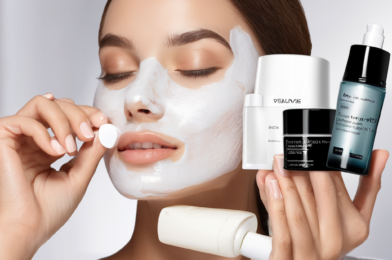
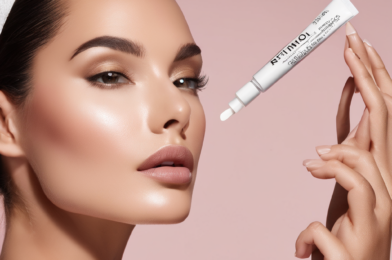
The skincare market is flooded with retinol products, from serums and creams to oils and moisturizers. With so many options available, choosing the right one can be overwhelming. Experts advise looking for products with a concentration of 0.1% to 1% retinol, as this range is effective yet manageable for most skin types. It’s also important to consider the formulation, as ingredients like hyaluronic acid or niacinamide can enhance retinol’s benefits while soothing the skin. Reading reviews and consulting a dermatologist can help narrow down the choices. Ultimately, the best retinol product is one that suits your skin’s needs and fits seamlessly into your routine.
Retinol’s popularity has sparked comparisons with other anti-aging ingredients, such as peptides, antioxidants, and alpha hydroxy acids (AHAs). While each has its merits, retinol stands out for its multifaceted approach to aging. Peptides, for instance, primarily focus on collagen production, while antioxidants like vitamin C target environmental damage. AHAs exfoliate the skin’s surface but lack retinol’s ability to penetrate deeper layers. Combining retinol with complementary ingredients can amplify its effects, but caution is advised to avoid over-exfoliation or irritation. In the battle against wrinkles, retinol remains a top contender due to its proven track record and versatility.
Age plays a significant role in determining when to incorporate retinol into your skincare routine. While it’s never too early to start preventing signs of aging, most dermatologists recommend introducing retinol in your late 20s or early 30s, when collagen production begins to slow. For those already noticing fine lines or wrinkles, retinol can be a game-changer. However, even younger individuals can benefit from its ability to improve skin texture and clarity. The key is to tailor usage to your skin’s needs and tolerance. As with any skincare product, consistency is key to achieving long-term results with retinol.
Retinol’s efficacy extends beyond wrinkle reduction; it also addresses other common skin concerns. Acne-prone individuals often find that retinol helps unclog pores and reduce breakouts by regulating oil production. It can also fade hyperpigmentation and even out skin tone, making it a versatile addition to any skincare regimen. For those with mature skin, retinol’s ability to improve elasticity and firmness can restore a more youthful appearance. Its wide-ranging benefits explain why it remains a cornerstone of anti-aging skincare, despite the emergence of newer ingredients.
As with any popular ingredient, myths and misconceptions about retinol abound. One common belief is that it makes your skin thinner, but this is not supported by evidence. In fact, retinol strengthens the skin barrier by promoting cell turnover. Another misconception is that it’s unsafe for pregnant or breastfeeding women, though it’s generally advised to avoid high-strength retinoids during this time. Additionally, some believe retinol is only for nighttime use, but certain formulations can be used during the day with proper sun protection. Separating fact from fiction is crucial for making informed decisions about retinol.
In conclusion, retinol’s reputation as a wrinkle-fighting powerhouse is well-deserved. Backed by decades of research, it has proven its ability to reduce fine lines, improve texture, and enhance overall skin health. While it may require patience and careful use, the results speak for themselves. As the skincare industry continues to evolve, retinol remains a trusted ally in the pursuit of ageless beauty. Whether you’re a skincare novice or a seasoned enthusiast, incorporating retinol into your routine could be the key to unlocking smoother, more radiant skin.