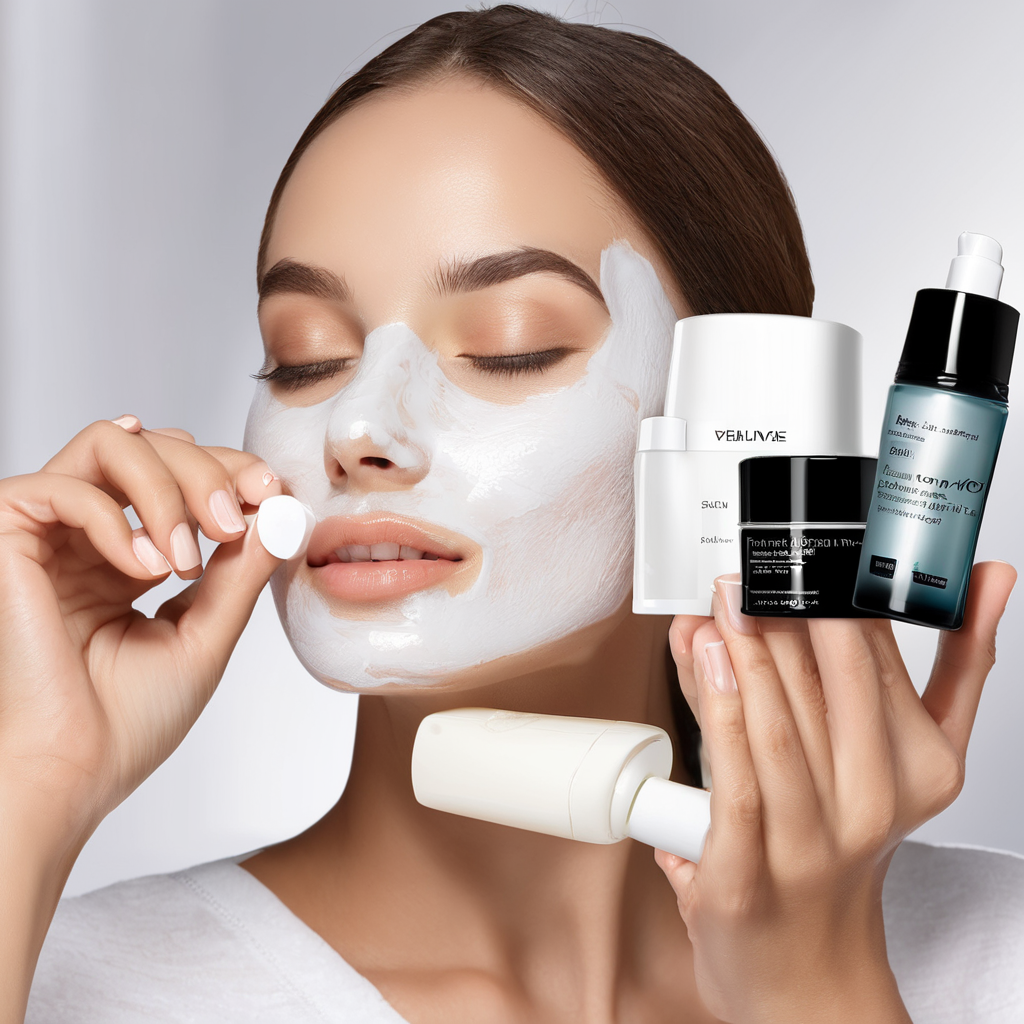
Acne-prone skin can be a challenge to manage, but incorporating retinol into your skincare routine can be a game-changer. Retinol, a derivative of vitamin A, is renowned for its ability to unclog pores, reduce inflammation, and promote cell turnover. However, using it incorrectly can lead to irritation, especially for sensitive or acne-prone skin. The key is to build a routine that maximizes retinol’s benefits while minimizing potential side effects. Start by choosing a retinol product specifically formulated for acne-prone skin, often labeled as non-comedogenic and oil-free. Look for lower concentrations, like 0.1% to 0.3%, to ease your skin into the treatment. Gradually increasing frequency and strength allows your skin to adapt without excessive dryness or redness. Pairing retinol with hydrating and soothing ingredients, such as hyaluronic acid or niacinamide, can further enhance its effectiveness while keeping your skin barrier healthy.
Before diving into your retinol routine, it’s crucial to prepare your skin. Begin by cleansing your face with a gentle, pH-balanced cleanser to remove dirt and oil without stripping away natural moisture. Follow this with a toner to balance your skin’s pH levels, ensuring better absorption of the retinol. If you’re new to retinol, start by applying it just once or twice a week in the evening, as sunlight can degrade its potency and increase sensitivity. Always use a pea-sized amount, focusing on areas prone to breakouts. After a few weeks, gradually increase the frequency to every other night, then nightly, as your skin tolerates it. Remember, consistency is key, but so is patience—retinol takes time to show results, often requiring six to eight weeks for noticeable improvements.
Moisturizing is a non-negotiable step in any retinol routine, especially for acne-prone skin. Retinol can be drying, so a rich, non-comedogenic moisturizer helps maintain hydration and prevent irritation. Opt for ingredients like ceramides, glycerin, or shea butter to strengthen the skin barrier. Applying moisturizer immediately after retinol can also buffer its effects, reducing the likelihood of redness or peeling. If you experience excessive dryness, consider adding a facial oil or sleeping mask to your nighttime routine. During the day, always use a broad-spectrum sunscreen with at least SPF 30, as retinol increases sun sensitivity. Sunscreen not only protects your skin but also prevents hyperpigmentation and further breakouts.
Combining retinol with other active ingredients can amplify its acne-fighting benefits, but it’s essential to do so carefully. Niacinamide, a form of vitamin B3, can reduce inflammation and redness, making it an excellent partner for retinol. Azelaic acid is another great option, as it targets acne-causing bacteria and evens skin tone. However, avoid using retinol with strong exfoliants like alpha hydroxy acids (AHAs) or beta hydroxy acids (BHAs) on the same night, as this can over-exfoliate and damage your skin barrier. Instead, alternate these ingredients in your routine, using retinol one night and acids the next. Always listen to your skin and adjust your routine if irritation occurs.
While retinol is highly effective, it’s not uncommon to experience side effects like dryness, flakiness, or mild redness, especially in the beginning. These symptoms, often referred to as “retinol purge,” are temporary and typically subside as your skin adjusts. To minimize discomfort, start with a lower concentration and apply retinol sparingly. If irritation persists, reduce the frequency of application or mix your retinol with moisturizer before applying. Over-the-counter hydrocortisone cream can also provide temporary relief for redness. If you develop severe irritation, such as blistering or persistent pain, discontinue use and consult a dermatologist.
Building a retinol routine for acne-prone skin doesn’t have to break the bank. Many affordable, drugstore brands offer effective retinol products that deliver results without compromising quality. Look for brands like The Ordinary, CeraVe, or La Roche-Posay, which offer retinol formulations suitable for sensitive and acne-prone skin. Pair these with budget-friendly moisturizers and sunscreens to create a complete routine. Remember, the key to success isn’t the price tag but consistency and proper usage. Even the most expensive retinol won’t work if not used correctly, so focus on finding products that suit your skin type and budget.
For those who prefer a more personalized approach, consulting a dermatologist can be invaluable. A skincare professional can recommend a retinol product tailored to your specific needs and provide guidance on how to incorporate it into your routine. They may also suggest prescription-strength retinoids for severe acne or stubborn cases. Additionally, a dermatologist can help address any underlying skin issues that may be contributing to breakouts. While over-the-counter retinol is effective for many, professional advice can make a significant difference in achieving clearer, healthier skin.
Lifestyle factors play a crucial role in the effectiveness of your retinol routine. A balanced diet rich in antioxidants, vitamins, and omega-3 fatty acids can support skin health and enhance retinol’s benefits. Staying hydrated and getting adequate sleep also contributes to a glowing complexion. On the flip side, smoking and excessive alcohol consumption can hinder retinol’s effectiveness and worsen acne. Stress management is equally important, as high stress levels can trigger breakouts. Incorporating habits like regular exercise, mindfulness, or meditation can complement your skincare routine and promote overall well-being.
Finally, consistency and patience are the cornerstones of any successful retinol routine. It’s tempting to expect overnight results, but retinol works gradually, transforming your skin over time. Stick to your routine, even if progress seems slow, and avoid the urge to over-apply or combine too many active ingredients at once. Track your skin’s progress with photos or a journal to stay motivated and celebrate small victories. With time, you’ll notice clearer, smoother, and more radiant skin—proof that your efforts are paying off. Remember, skincare is a journey, and retinol is one of the most powerful tools to help you achieve your goals.